

Liquid Universe
Zoya Super Long Black Onyx Pendant Necklace
€ 45,90

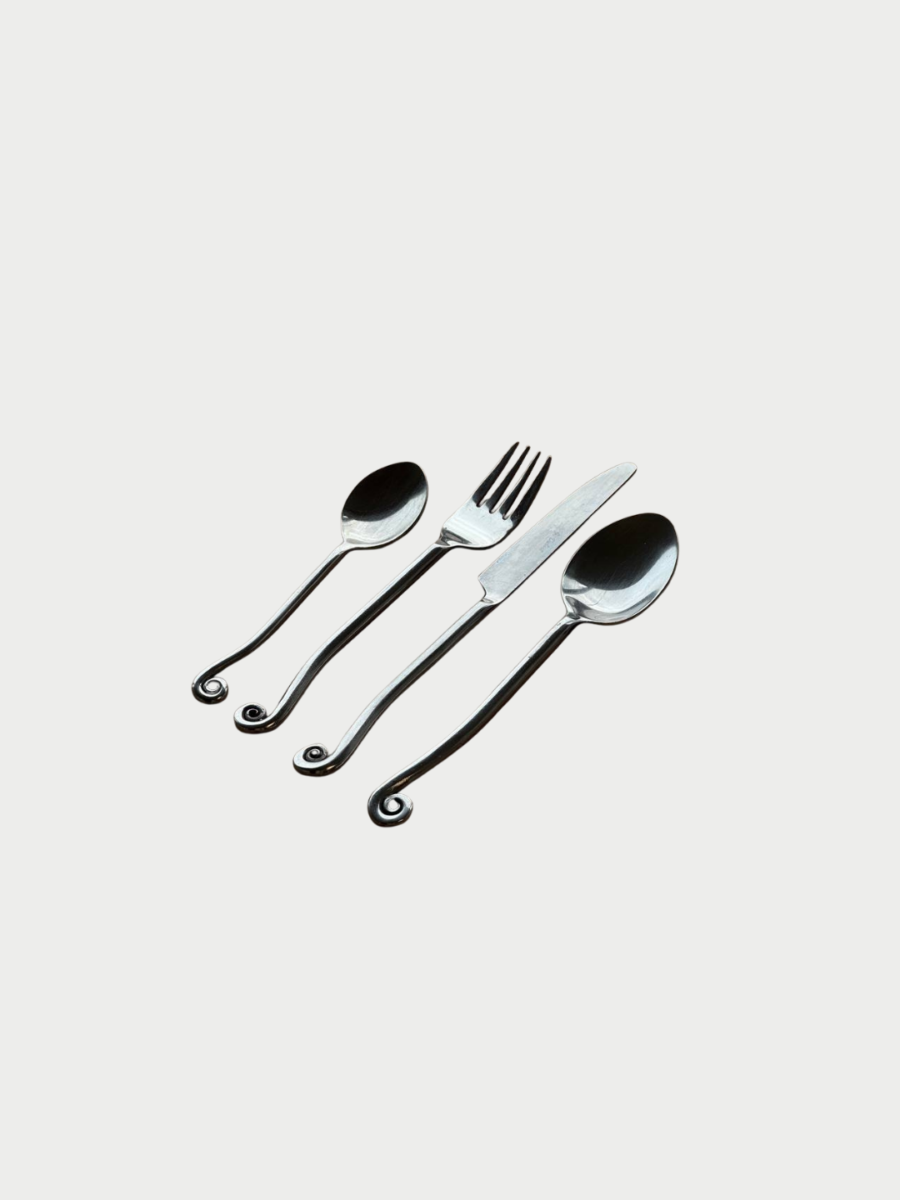


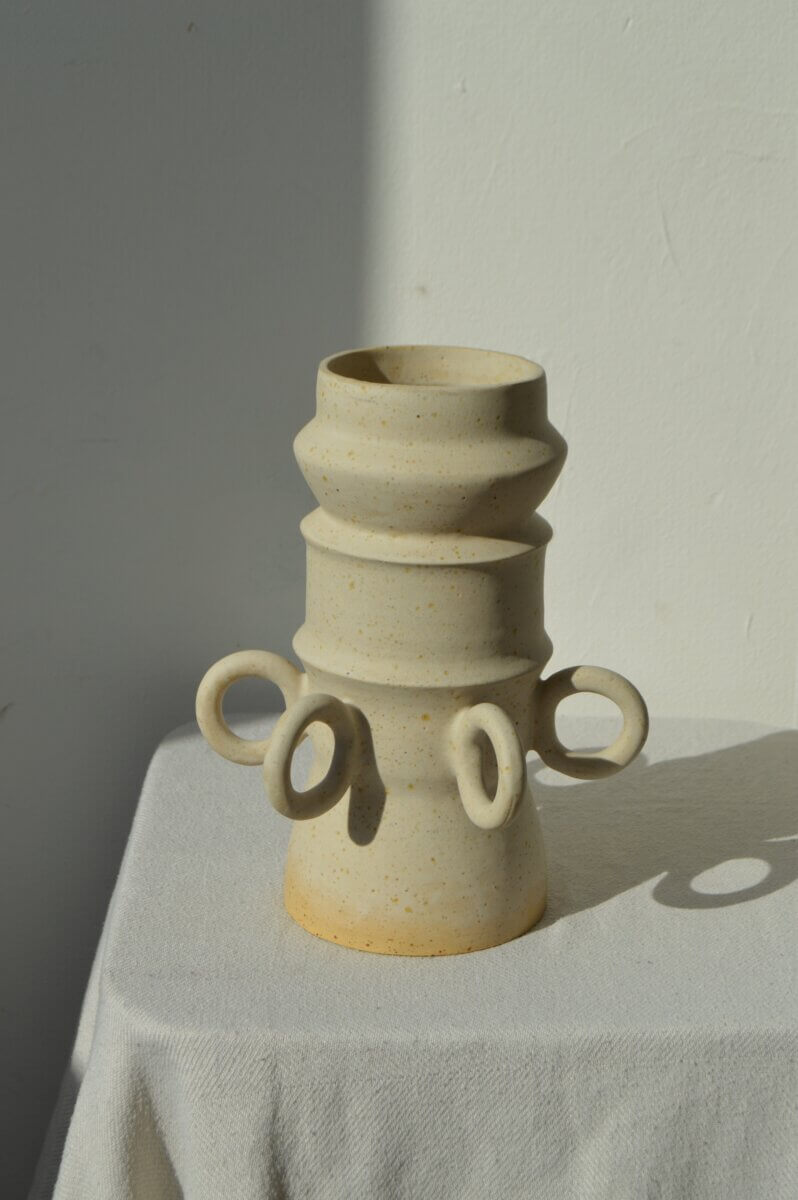
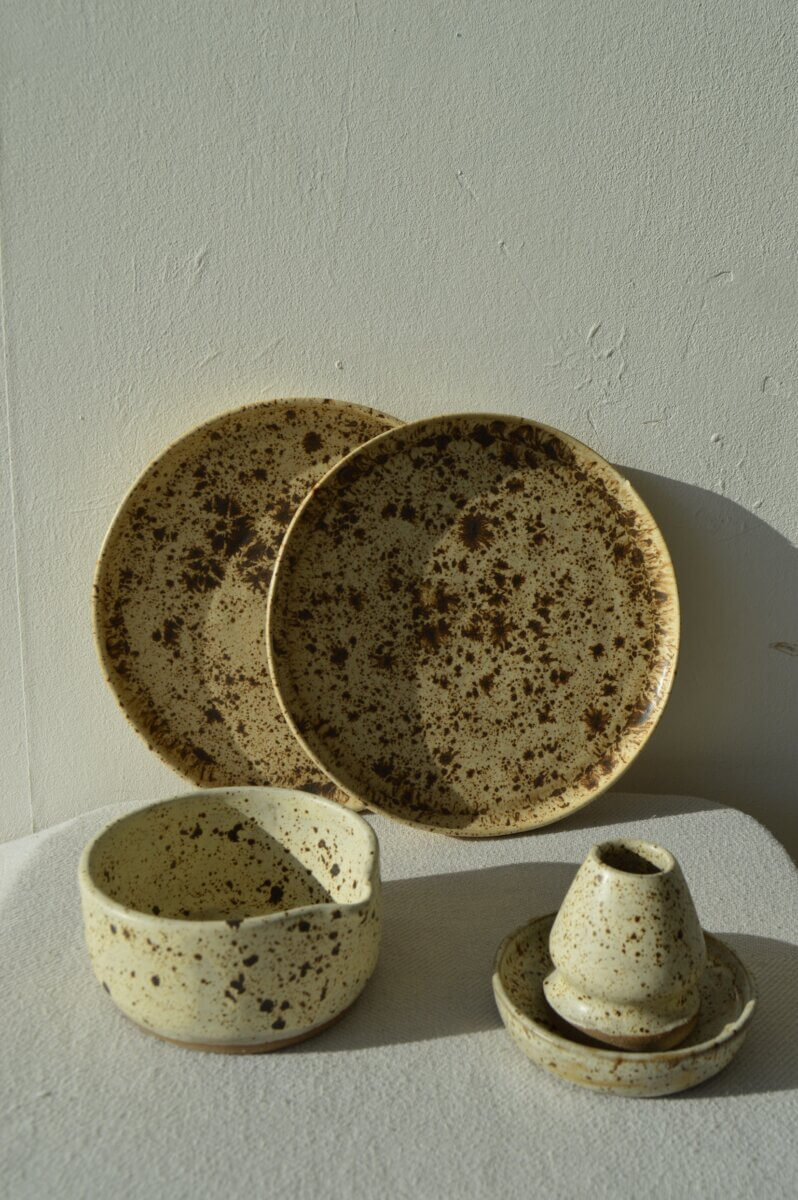
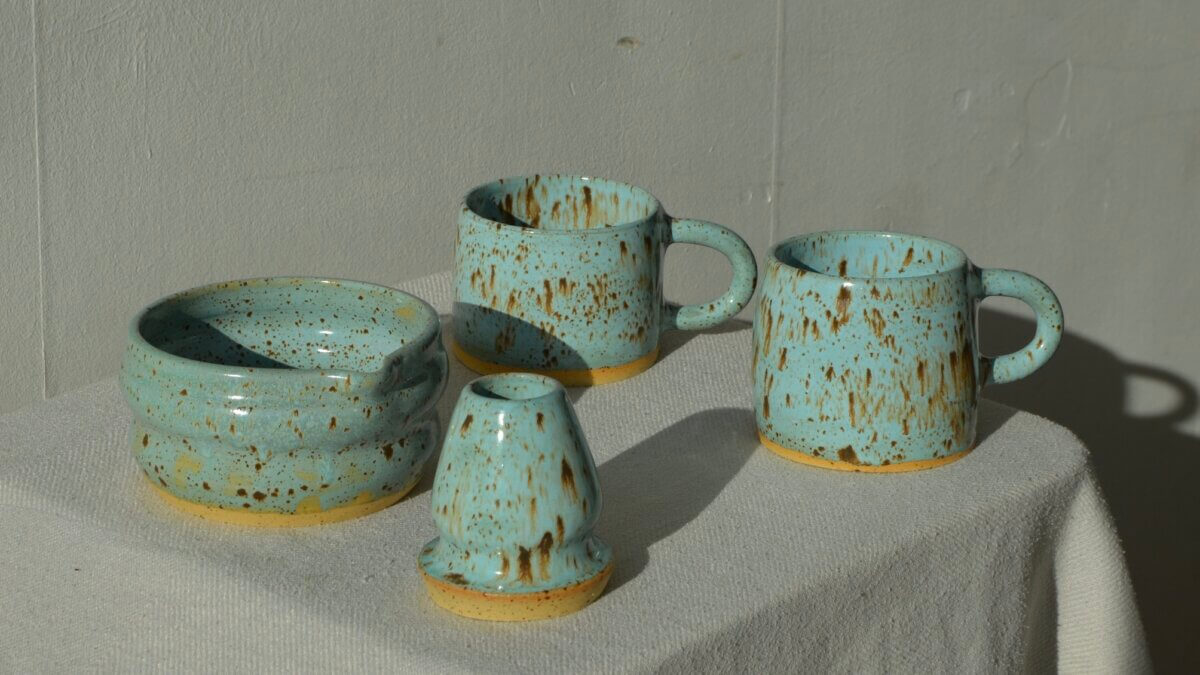
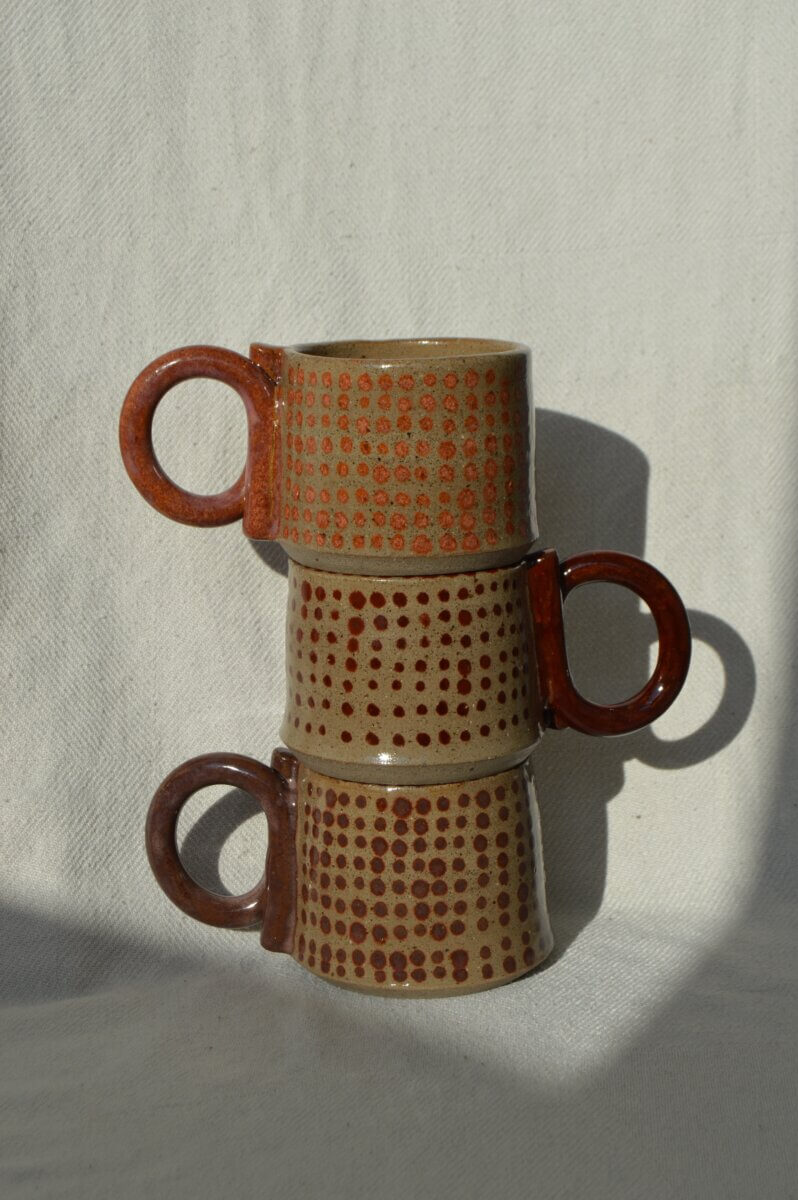
Second Nature creates playful utilitarian ceramics, from cups and bowls to vases and candle holders. Each piece balances function with expression through color, texture, and form, and is designed to bring character into everyday rituals.

Founded in 2025 by Emma Reppa, Second Nature is an Amsterdam-based ceramic project born from a desire to make everyday objects more exciting and meaningful. Before working with clay, Emma practised architecture, where she developed an appreciation for the stories that objects and spaces can tell. She brings this same perspective to ceramics.
To her, clay exists naturally as a raw and unassuming material, yet transforms into something meaningful through use and interaction. This idea of a “second nature” became the foundation of the brand. With Second Nature, Emma creates playful functional objects, exploring new forms and textures to keep her work fresh, versatile, and full of character.


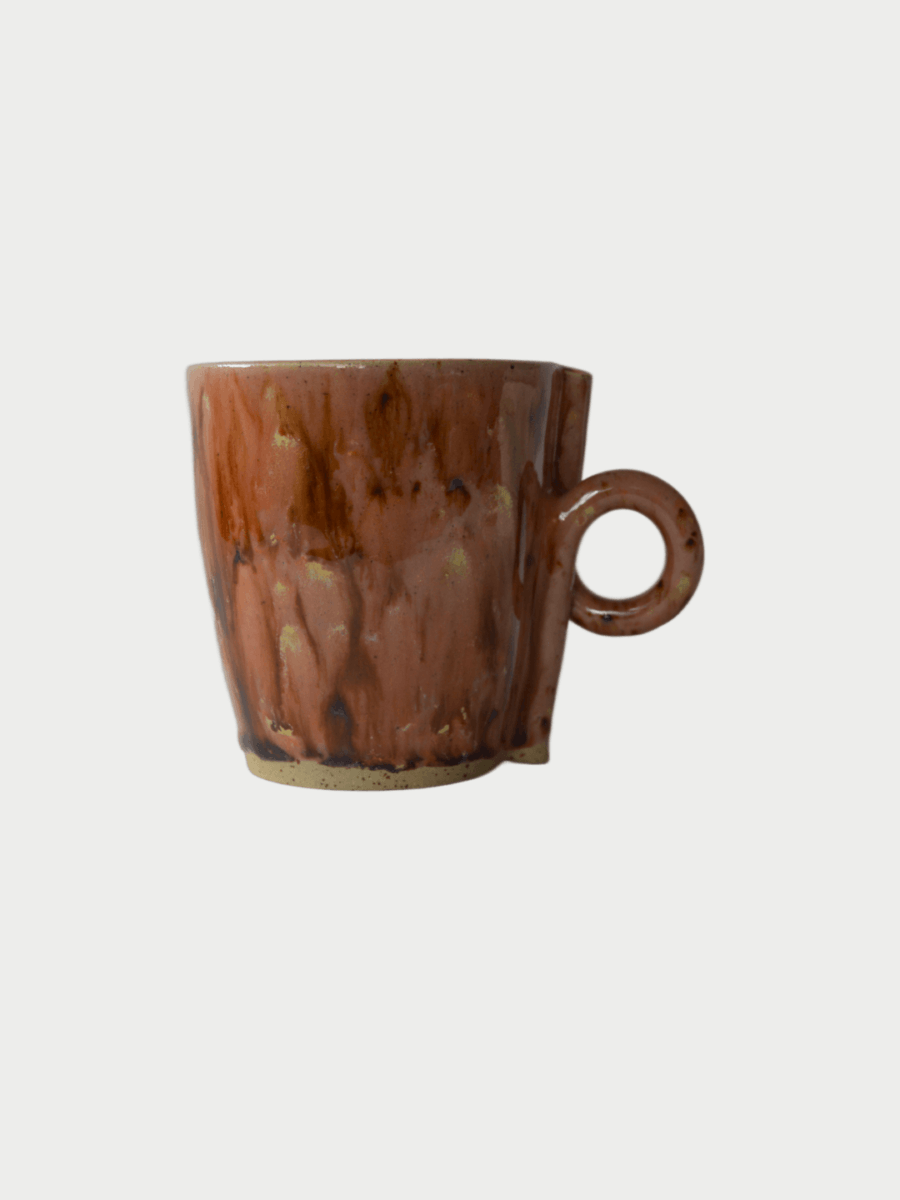


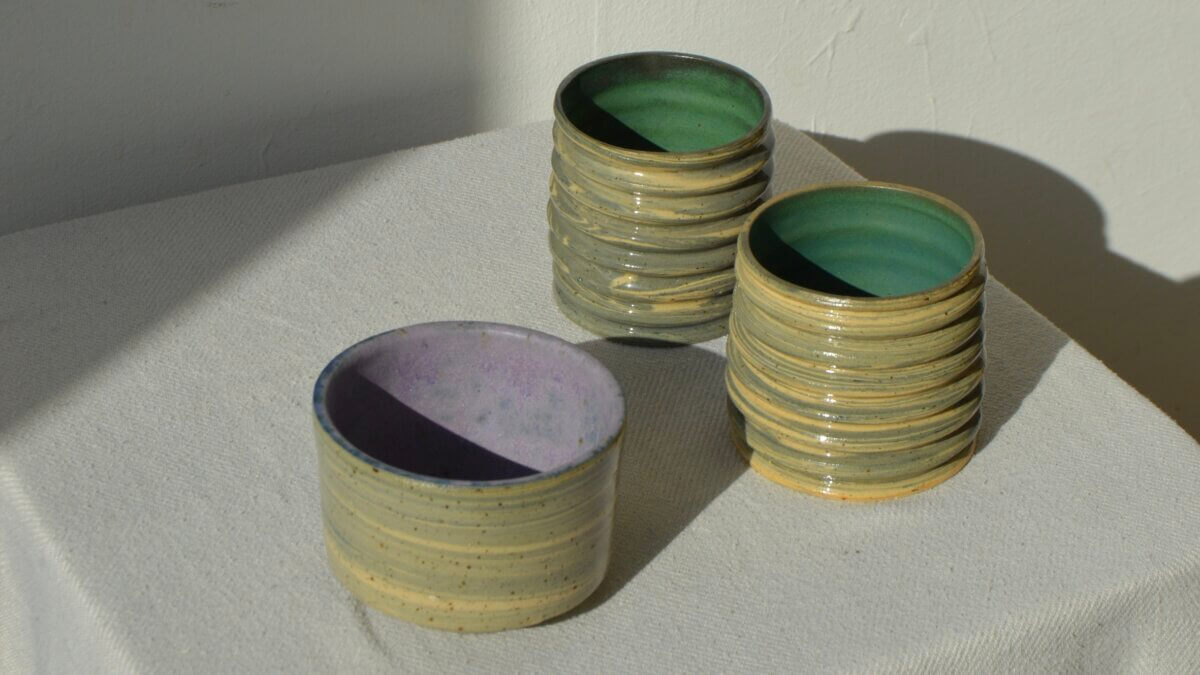
“From matcha sets and travel mugs to sculptural vases, plates, bowls, and candle holders, each piece balances utility with expression.”
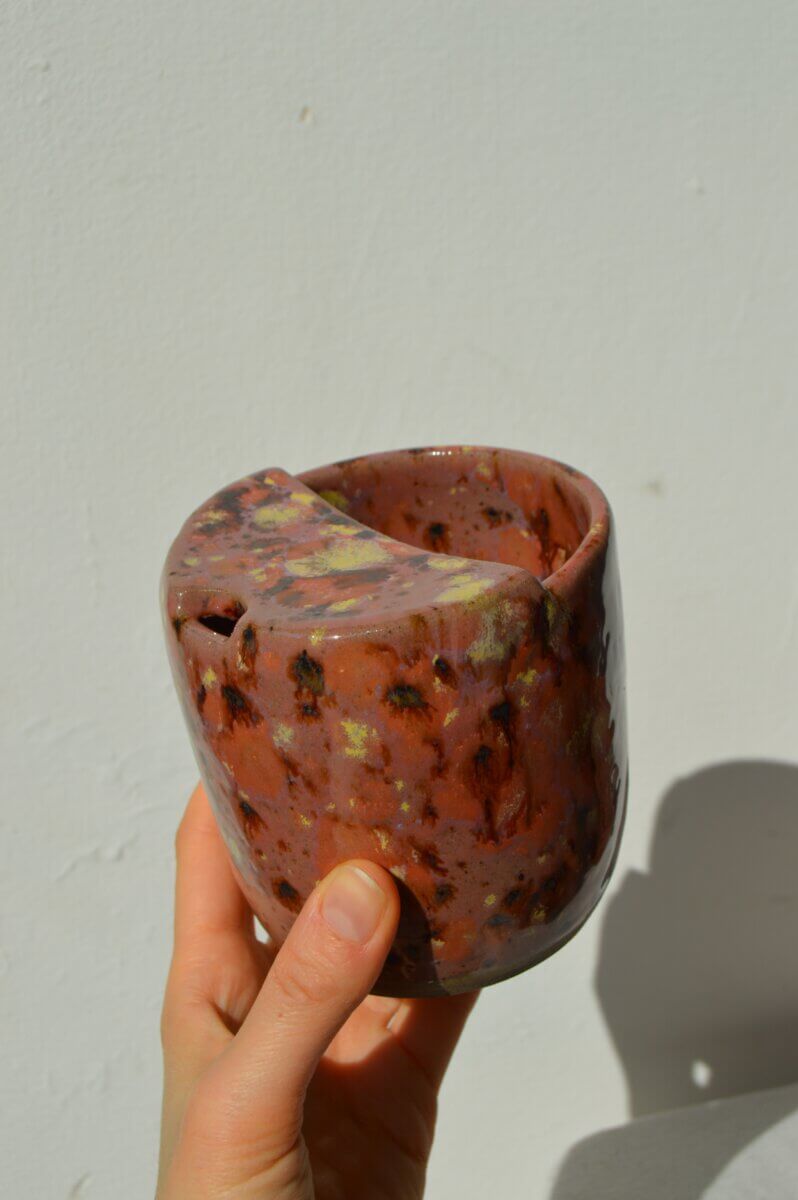
The collection includes cups, bowls, plates, vases, candle holders, incense holders, and occasional wearable pieces such as ceramic pendants. All pieces are handcrafted by Emma Reppa using a combination of wheel-throwing and hand-building techniques, with a strong emphasis on the wheel. Because each piece is made by hand, subtle variations in shape, texture, and glaze are embraced as part of the process and individuality of the work.
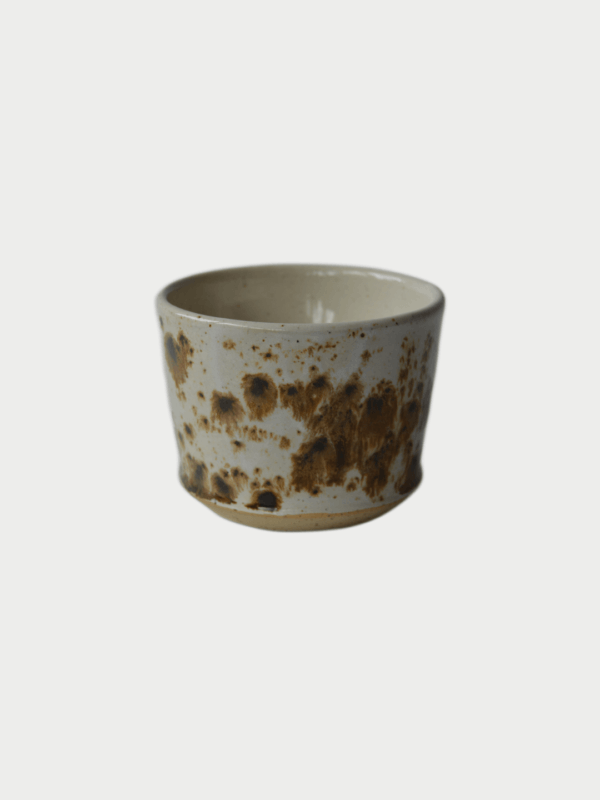
The work explores different clay bodies — including black, speckled, and beton clay — paired with both matte and glossy glazes, often favoring textured and speckled finishes that highlight the tactile quality of the material.
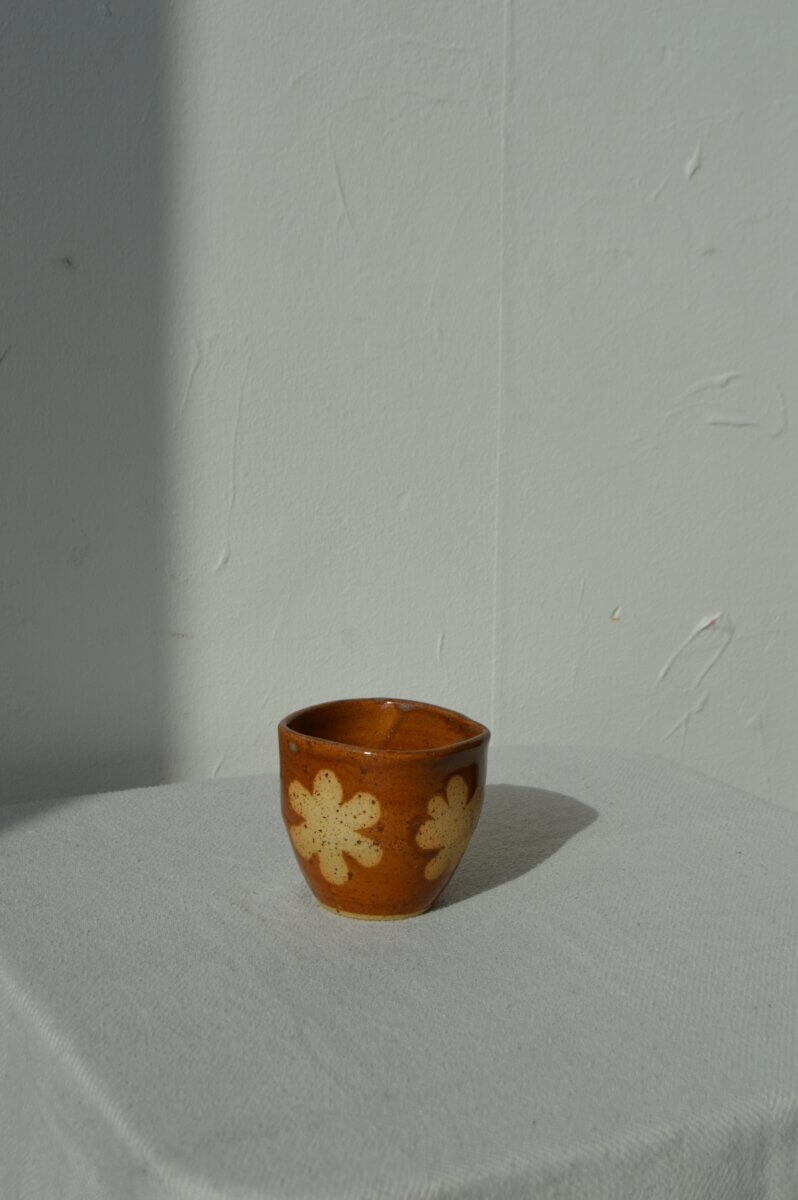
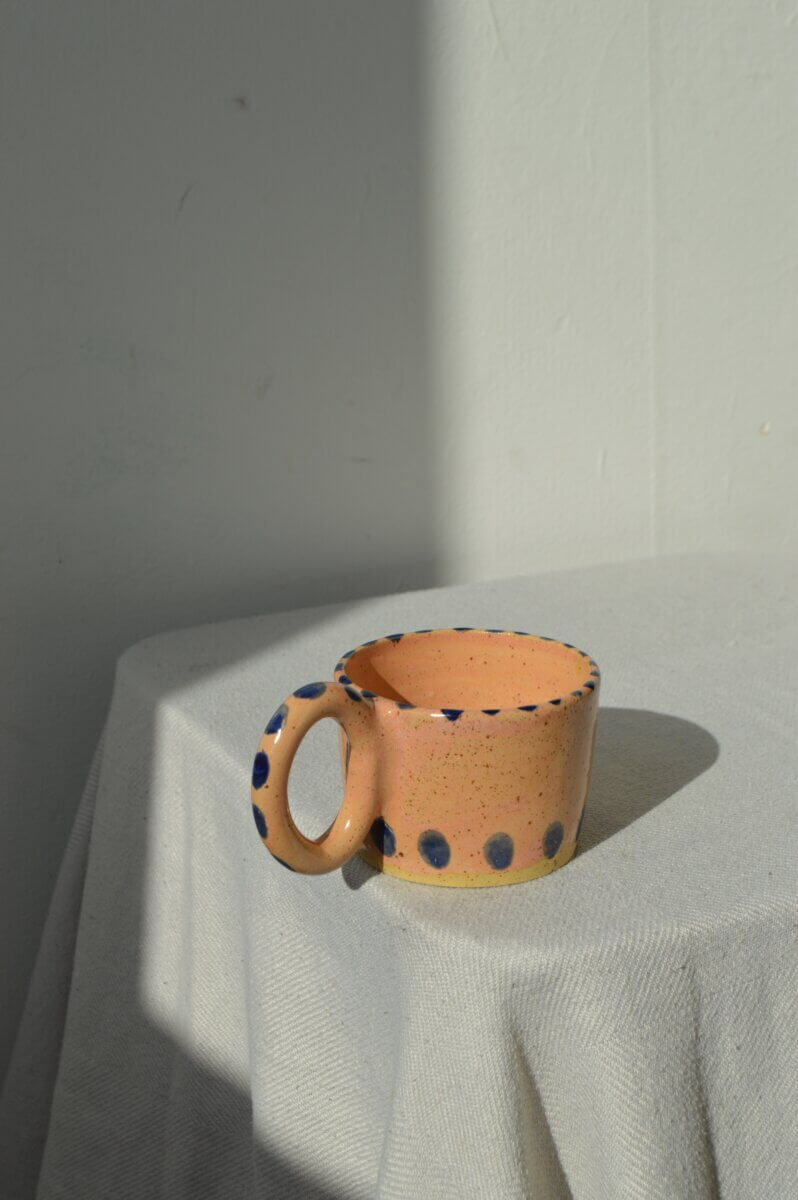
"Each object is made to exist somewhere between functionality and expression, encouraging a more mindful and joyful interaction with daily life."
Second Nature approaches sustainability through small-scale, mindful production and an intention to waste as little material as possible. Most clay used in the process is recycled, and failed pieces or leftover clay are reclaimed and reused. The brand values longevity over trend-driven consumption, creating ceramic objects designed to be used, appreciated, and kept for a long time.