

Brontë Adoree
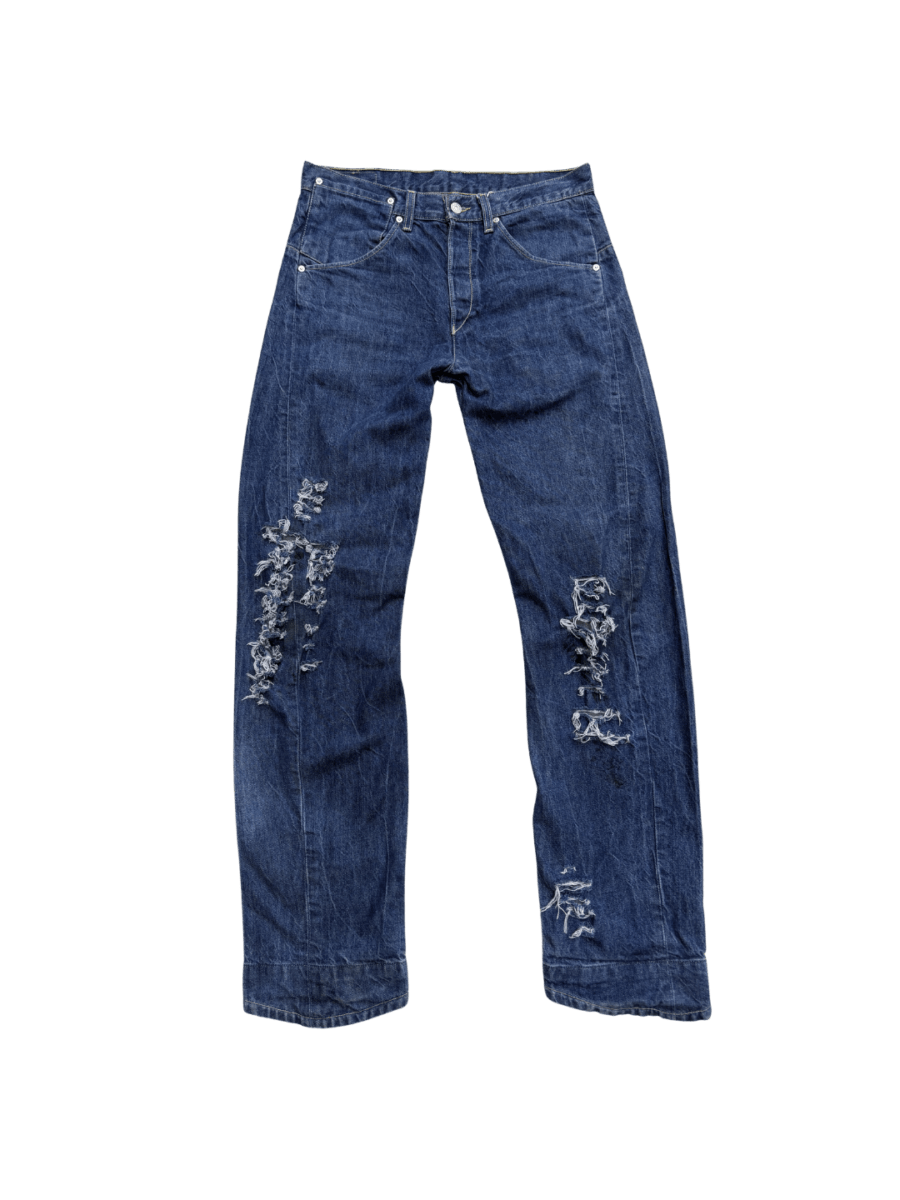
DISTRESSED T-Shirt
€ 75,00



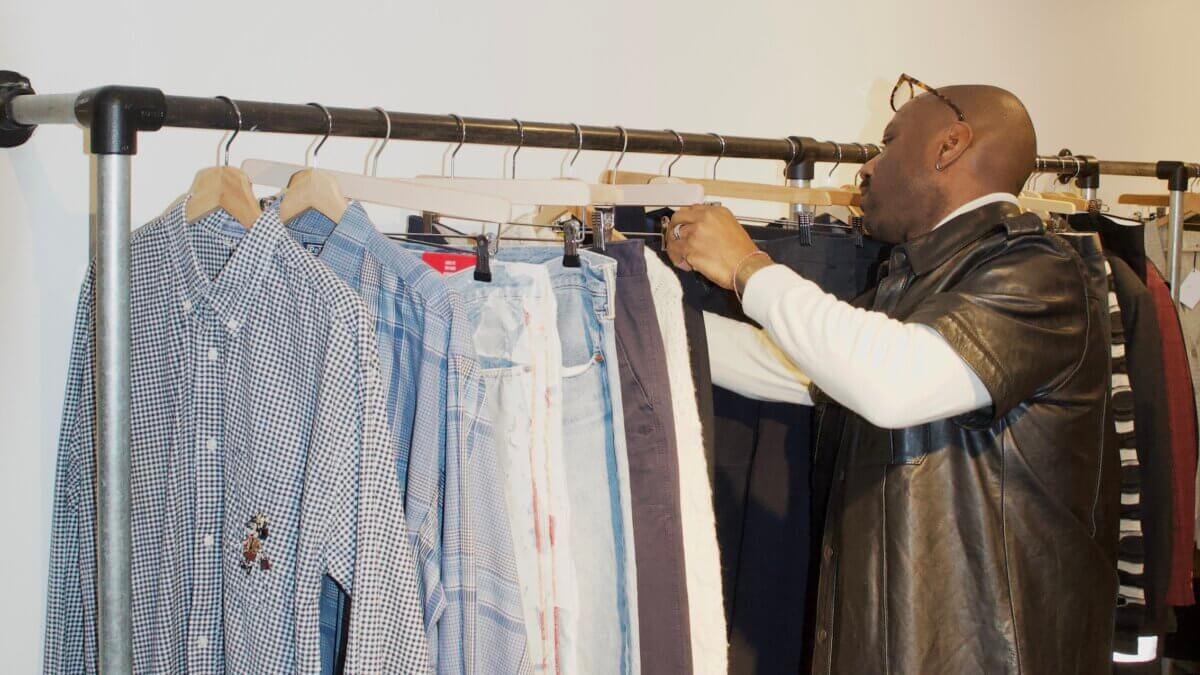
MARLY is a family-owned, black-owned vintage store based in the heart of Rotterdam. Each item is carefully selected with a focus on timeless craftsmanship and natural fabrics, blending high-end garments with heavy duty workwear pieces.
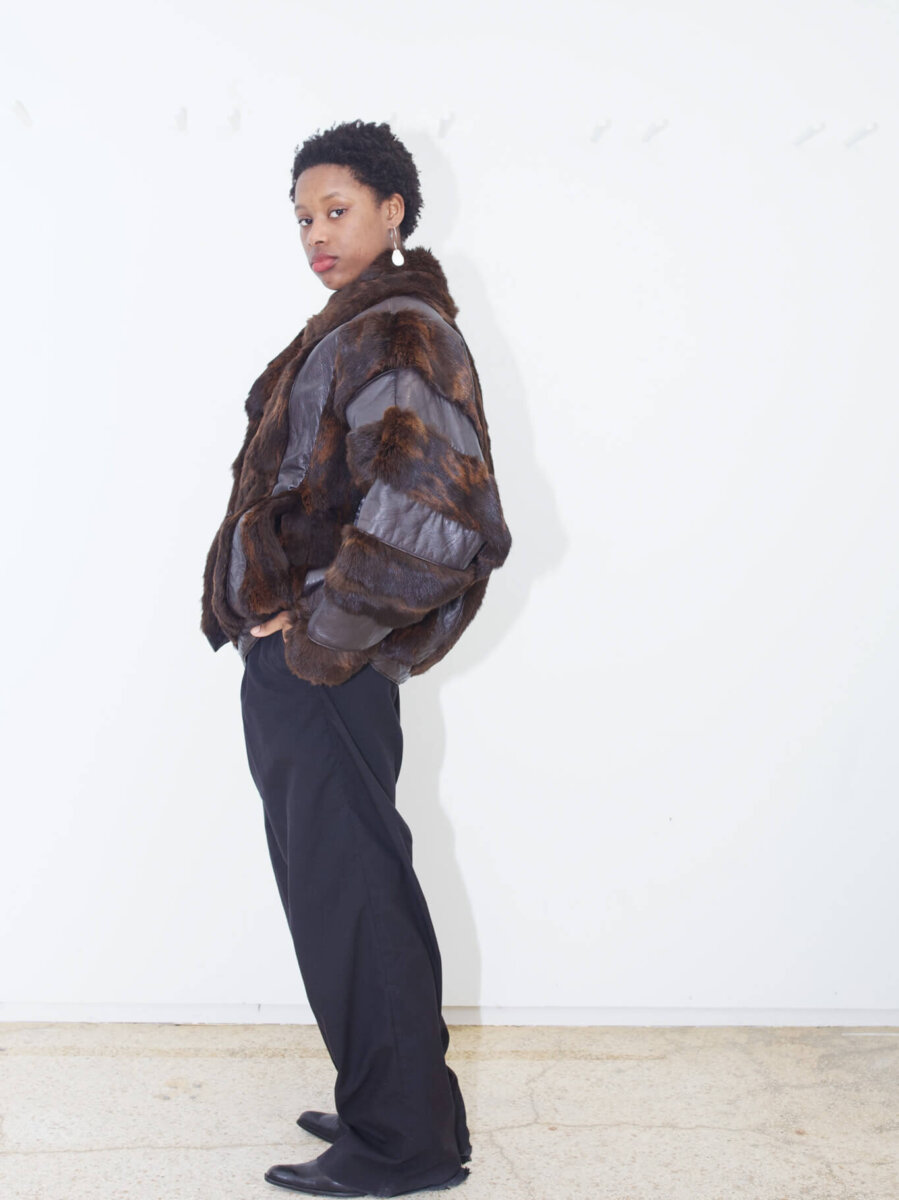
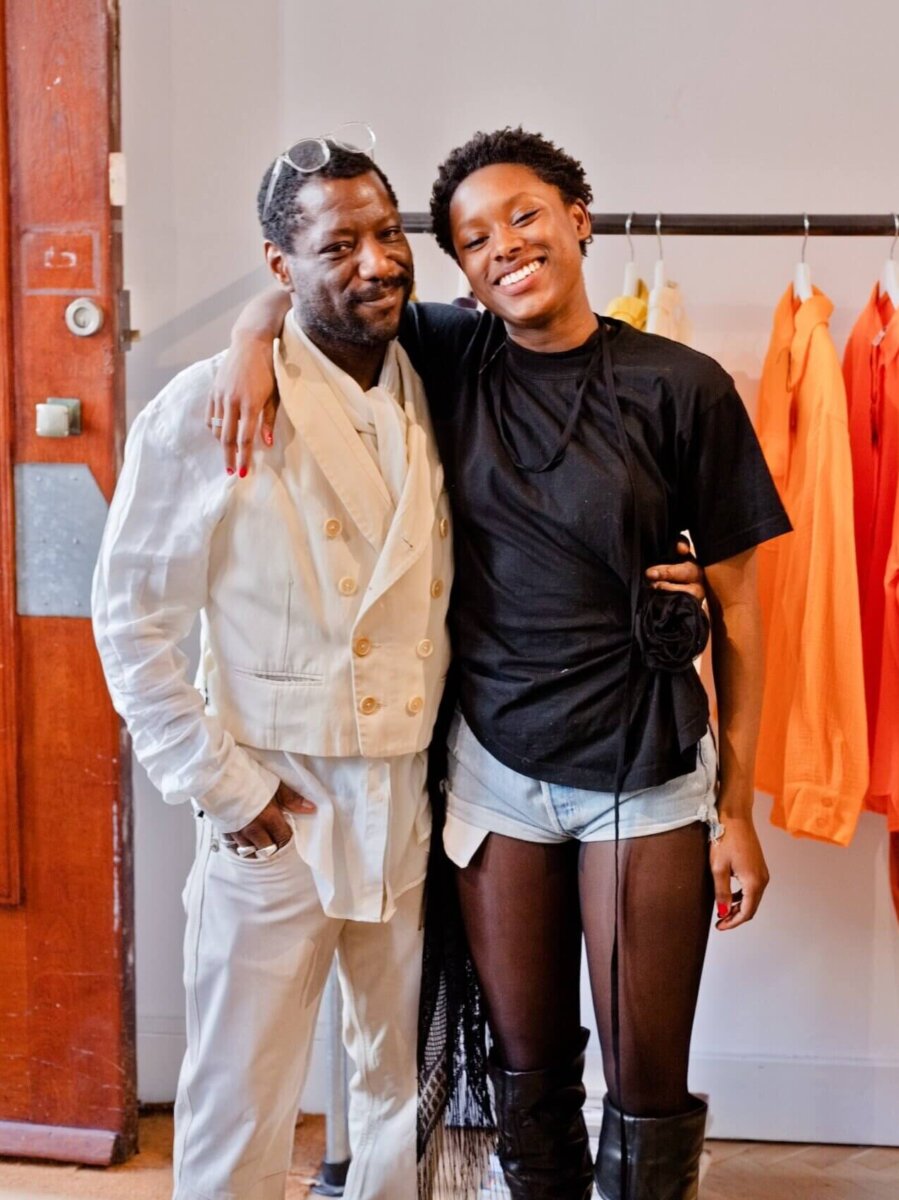
MARLY vintage is a vintage store based in the heart of Rotterdam, founded in 2023 by father-and-daughter duo Jewel Martina and Marlon Arrias. What began in a shared retail space has grown into a two-story storefront of their own, housing not only a carefully curated vintage collection, but also a space for community, events, and a small MARLY atelier.
The store is a natural extension of their lifelong passion for fashion, community, and sustainability. Bringing together two generations and perspectives, they curate diverse and unexpected collections while fostering a vibrant community around the store. MARLY vintage stands for dressing in a way that is both timeless and individual, with its family-owned and black-owned identity reflected throughout the collection and the space itself.
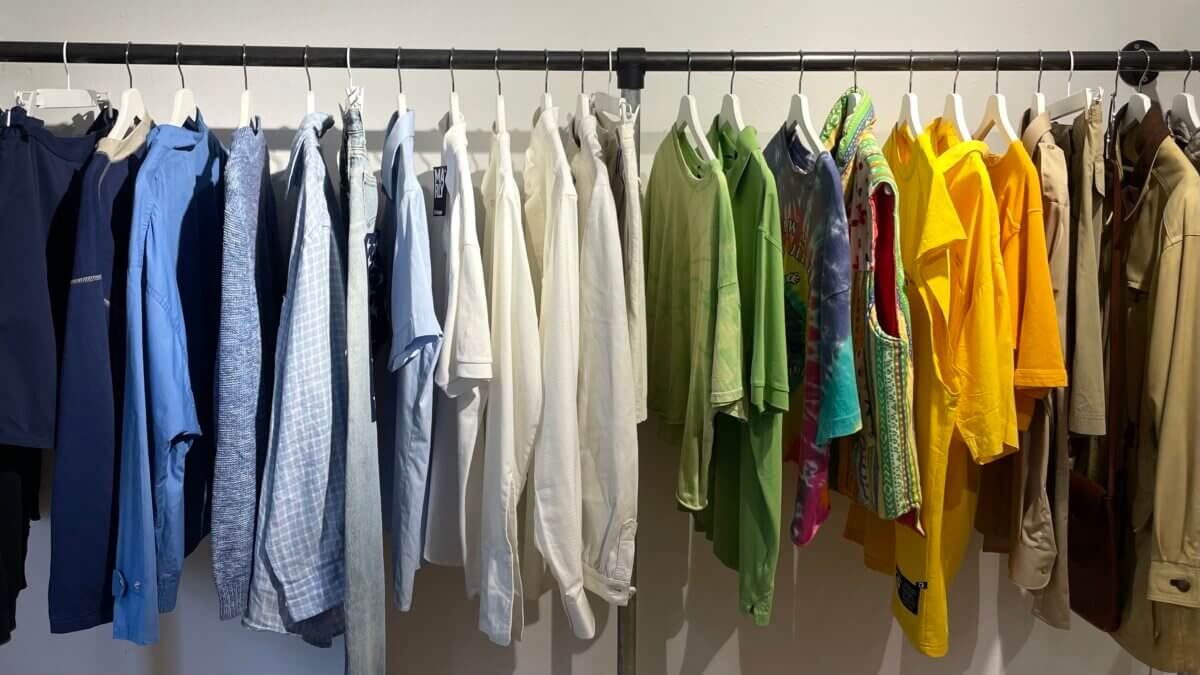
“MARLY means being both timeless and unique. As a family-owned, black-owned brand, MARLY’s DNA is reflected in every single item.”
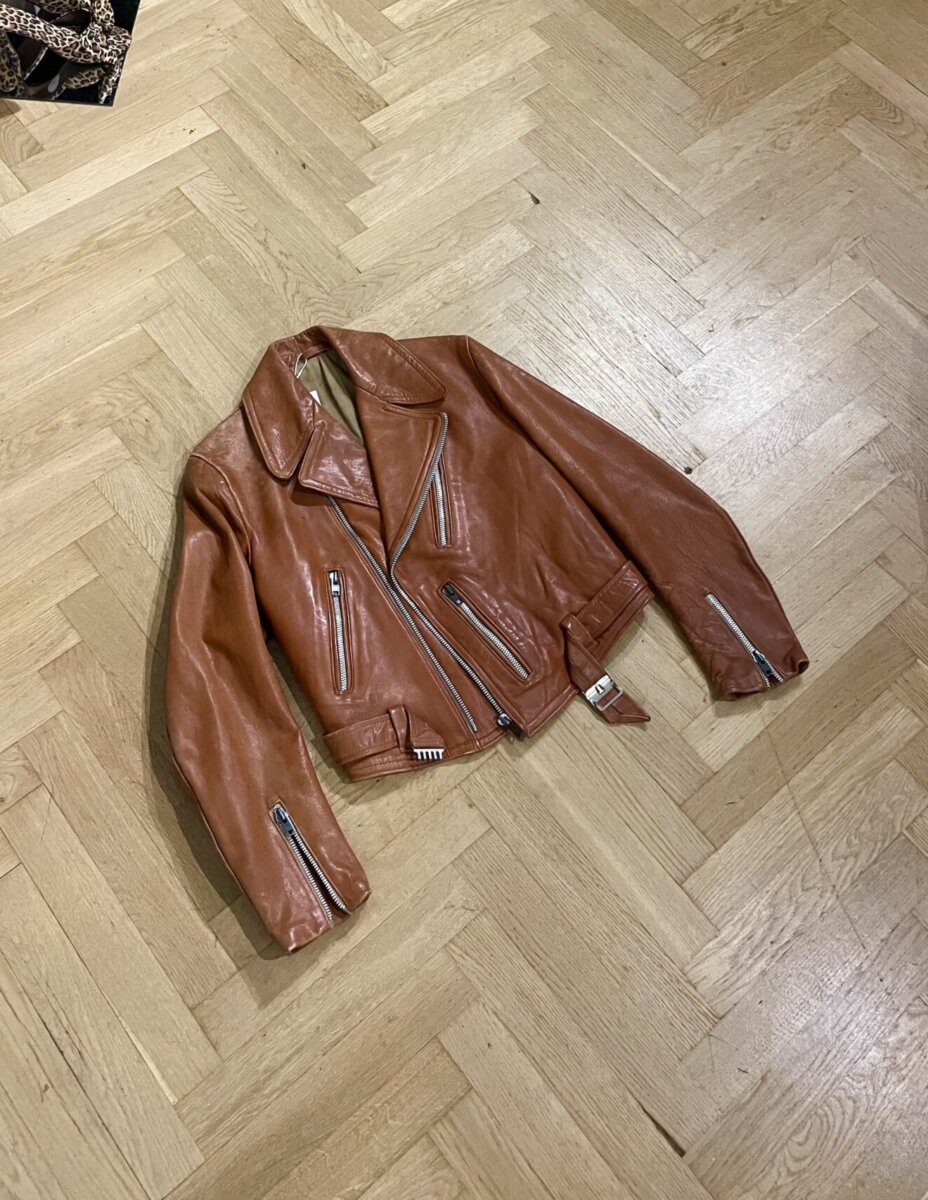
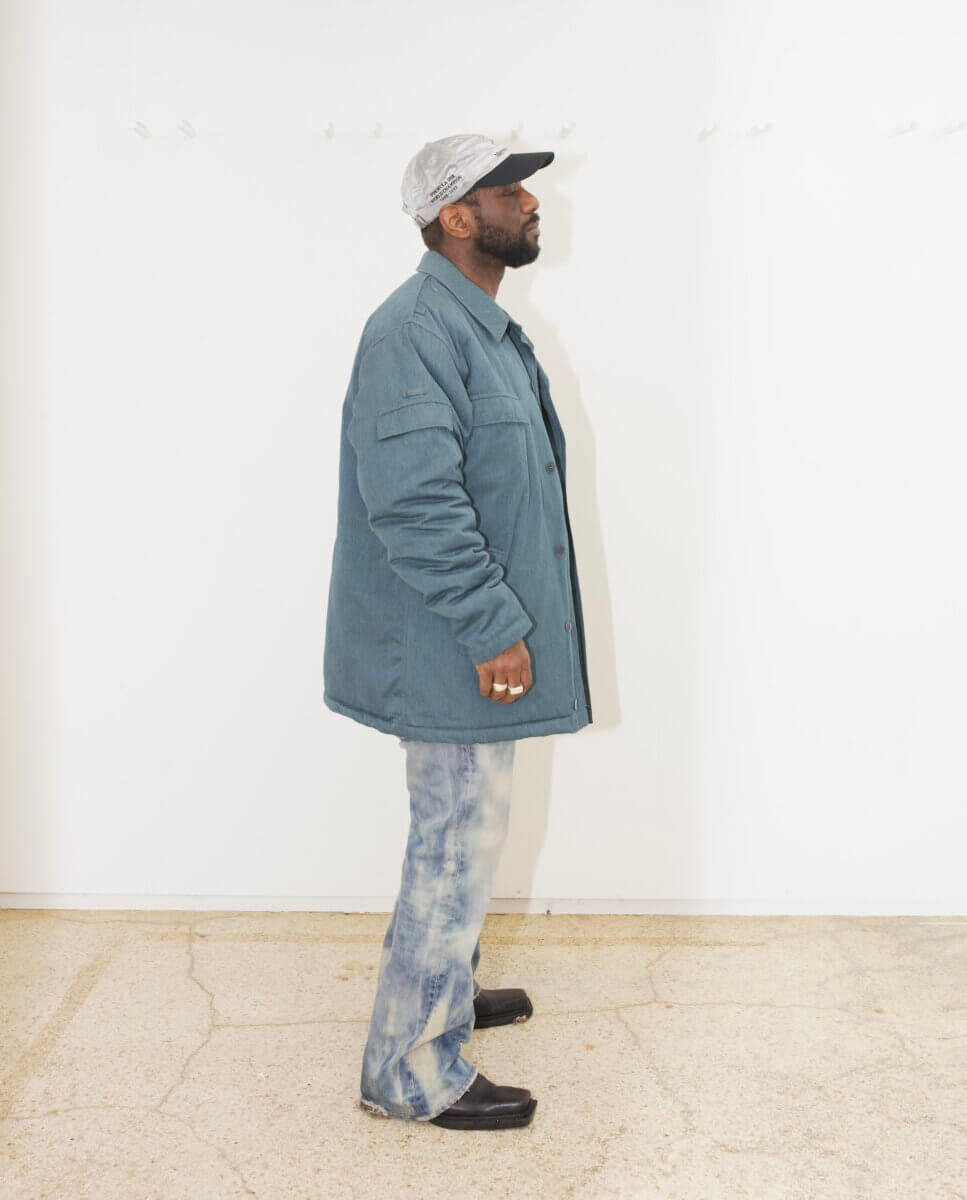
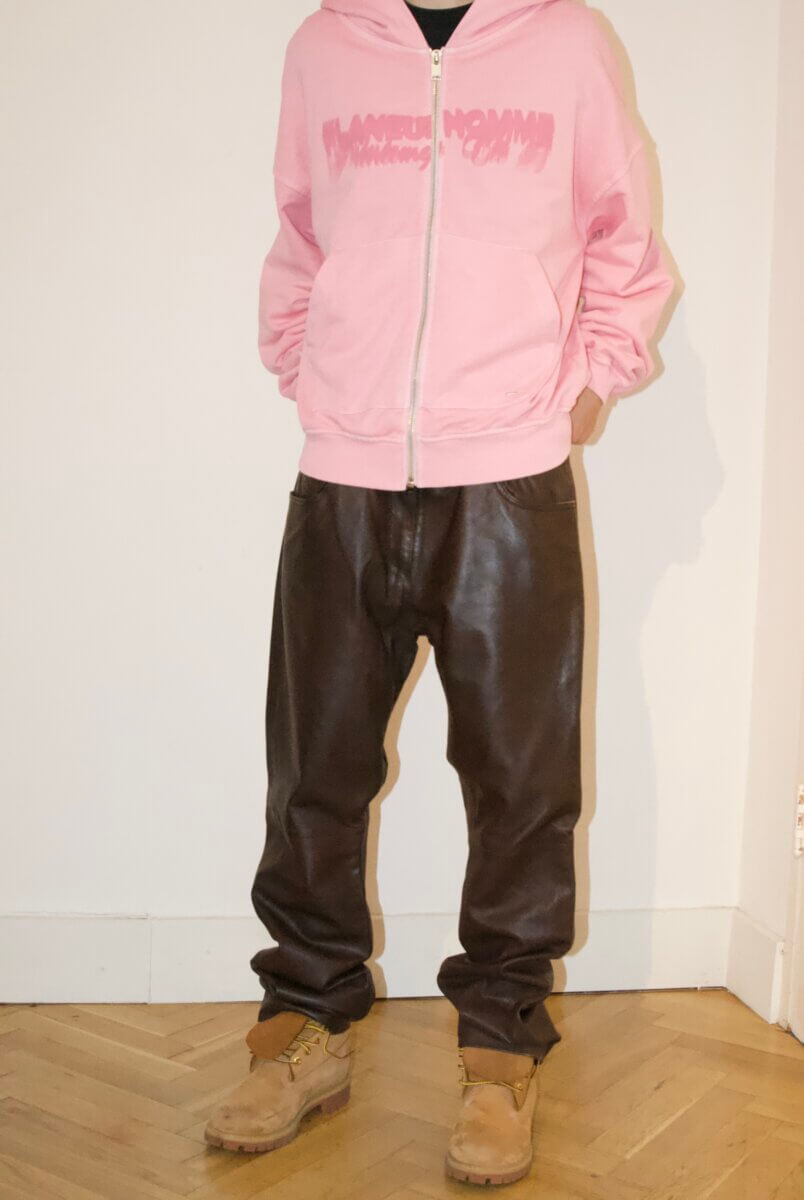
The MARLY Vintage collection reflects a distinctive style that balances timeless craftsmanship with bold creative expression. Each piece is carefully selected by Marlon and Jewel, who curate a mix of structured garments such as workwear and leather pieces alongside lighter everyday items. The selection prioritises natural fabrics, quality, and durability.
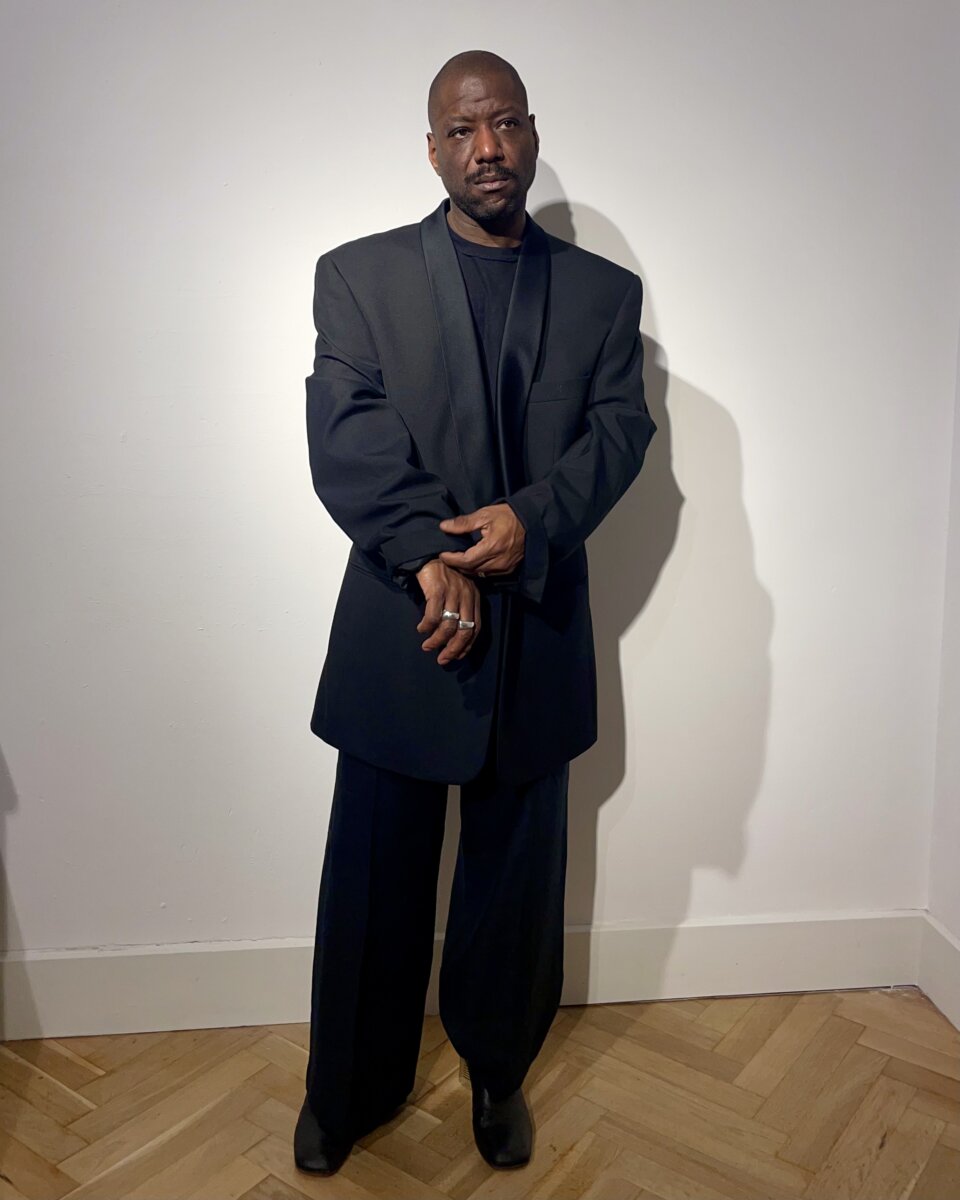
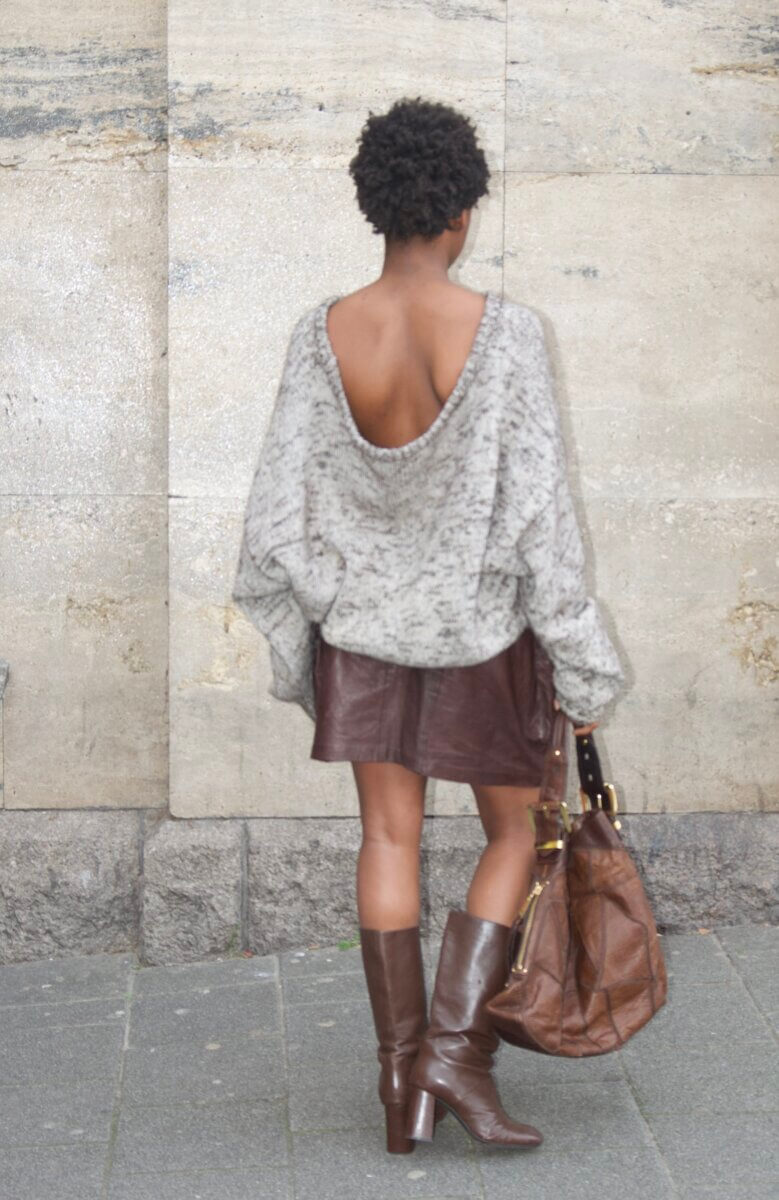
"Our combined generational perspectives result in surprising and diverse collections, that balance timeless craftsmanship with vibrant creative expressiveness."
By working exclusively with existing garments and focusing on pieces made to last, MARLY promotes a more conscious and enduring approach to fashion. This commitment to longevity and reuse helps extend the life of clothing already in circulation, reducing the need for new production.